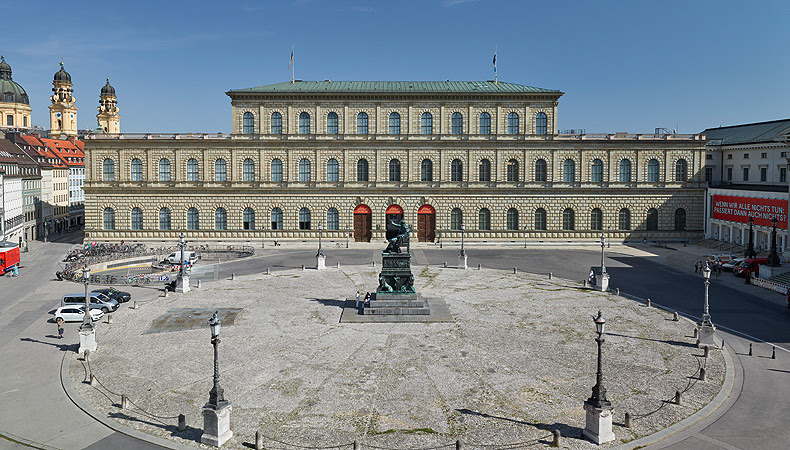
Munich experiences a temperate continental climate, and July is peak summer. Visitors can expect pleasant to warm weather, ideal for both professional events and sightseeing. Average daytime temperatures typically range from 22°C to 28°C (72°F to 82°F), with occasional warmer days during short heatwaves. Evenings are generally comfortable, cooling to around 14°C to 18°C (57°F to 64°F).
Lightweight, breathable clothing such as cotton or linen is recommended. Sunglasses, sunscreen, and a hat are advisable for daytime outings. Carrying a reusable water bottle is helpful, especially when moving between venues. July can also bring brief afternoon showers or thunderstorms, so a compact umbrella is useful. Conference venues and public transportation in Munich are well air-conditioned.
Tipping in Germany is appreciated but not obligatory. Service charges are usually included in restaurant bills. It is customary to round up the total or leave a small tip (around 5–10%) for good service by handing the tip directly to the server when paying. Taxi fares are often rounded up for convenience. Tipping is not expected in cafés for counter service.
Munich is considered one of the safest major cities in Europe. Nevertheless, as with any large city—especially during the busy summer tourist season—visitors should remain attentive in crowded areas, public transport, and major train stations. Pickpocketing is rare but possible in high-traffic zones. The city is clean, well-lit, and well-policed, and public areas remain lively into the evening.
Germany has an excellent healthcare system. Visitors from outside the EU are strongly advised to carry comprehensive travel medical insurance. Pharmacies (Apotheke, marked with a red “A”) are widely available, and pharmacists can assist with minor medical needs. During warmer days, staying hydrated and taking breaks in shaded or air-conditioned areas is recommended.
Germany uses the Euro (EUR). ATMs are widely available throughout Munich, and credit/debit cards are accepted in most hotels, restaurants, and shops. However, it is advisable to carry some cash for smaller establishments, local bakeries, or markets.
The official language is German. English is widely spoken in hotels, restaurants, public transport hubs, and international conference venues. Learning a few basic German phrases such as “Guten Tag” (Good day), “Danke” (Thank you), and “Bitte” (Please) is appreciated by locals.
Munich has an excellent and highly efficient public transport system, operated by MVV. It includes the U-Bahn (subway), S-Bahn (suburban trains), trams, and buses, all well connected and easy to use. Tickets must be purchased and validated before travel.
Taxis are reliable and can be hailed at official stands or booked via apps such as FreeNow. Munich is served by Munich International Airport (MUC), with fast S-Bahn connections to the city center.
Munich is the heart of Bavarian cuisine. Summer menus often include lighter options, but visitors should not miss traditional dishes such as Weißwurst, Pretzels (Brezn), Schweinshaxe, and Obatzda. Munich is also famous for its beer gardens, which are particularly enjoyable in July. Non-alcoholic options are widely available, and outdoor dining is common in the warmer months.
Punctuality is highly valued in German culture. Casual yet neat attire is common, even in summer. A firm handshake is the standard greeting. When dining, it is customary to ask for the bill (“Die Rechnung, bitte”). When visiting churches or religious sites, modest dress is expected—shoulders covered and no very short shorts.
We are pleased to welcome you to Munich, Germany, for Carbon Materials 2026, taking place in July 2026. Munich’s blend of scientific excellence, cultural heritage, and modern infrastructure provides an outstanding environment for a productive and enjoyable conference experience.
Munich combines historic charm with modern innovation. Beyond its strong academic and industrial profile, the city offers numerous cultural highlights: